

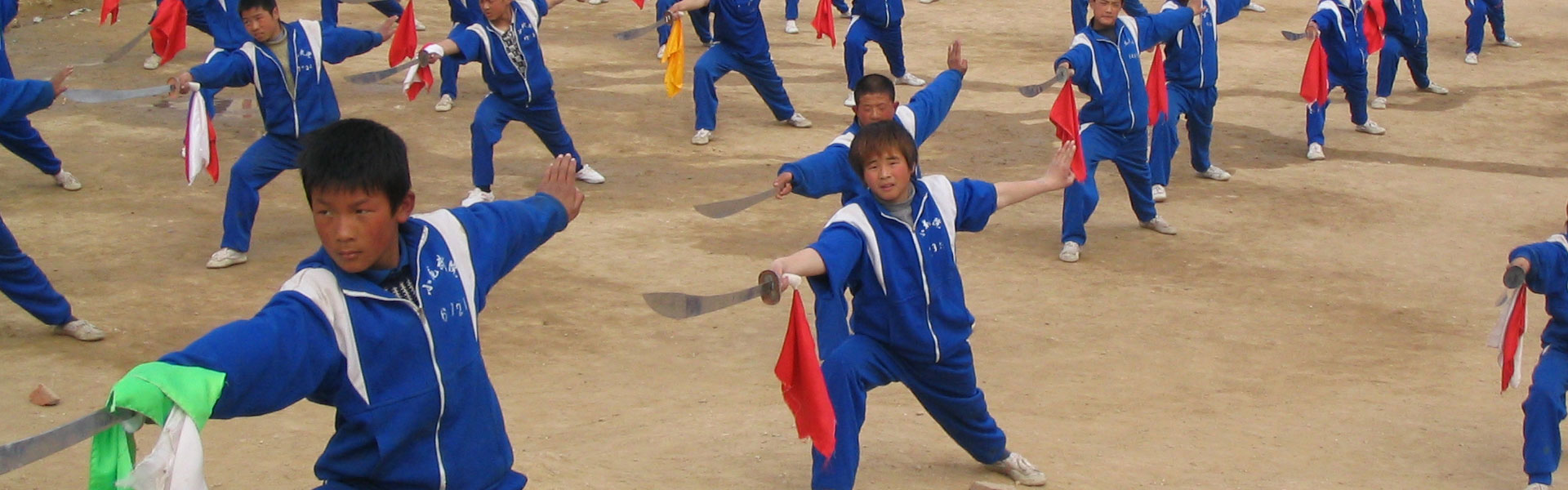
Kung Fu
Martial ArtsThe Origins of Kung Fu & Wushu
The origins of Wushu (Chinese martial arts) can be traced back thousands of years to early human survival in China’s harsh environments.
As early as the Bronze Age (c. 3000–1200 BC) — and likely before — people developed methods to defend themselves against wild animals, natural threats, and other human beings.
Early martial skills included:
Hand-to-hand combat
-
-
- Wrestling methods such as Jiaodi, an early form of Chinese grappling
- The use of tools and weapons adapted from hunting and warfare
-
These survival skills laid the foundations for what would later become formalised systems of Kung Fu and Wushu.
Wushu in Ancient China: From Warfare to Daily Life
From the Shang Dynasty (c. 1556–1046 BC) through the Warring States Period (481–221 BC), Wushu evolved rapidly. As warfare became more sophisticated, so too did armed and unarmed combat systems. Weapons such as spears, swords, halberds and staffs were refined, along with structured training methods.
At the same time, martial arts were no longer limited to the military. Among the common people, Wushu became a way to:
Defend oneself and one’s family
Improve health and physical strength
Develop discipline and moral character
Provide entertainment and physical culture
Ancient Chinese philosophy emphasised the balanced cultivation of “Wen Wu” — literary and martial arts — a concept that remains central to traditional Kung Fu training today.
Shaolin and the Integration of Mind & Body
A major milestone in the history of Wushu occurred in 495 AD with the founding of the Shaolin Temple on Mount Song. The monks living there practised martial exercises alongside meditation and physical conditioning.
Over time, Chan (Zen) Buddhism and Quan (martial arts) were combined into what became known as Shaolin Quan (Shaolin Kung Fu) — a system that trained:
-
-
- Physical strength and endurance
- Martial skill and combat efficiency
- Mental focus, discipline and moral integrity
-
Shaolin became a major influence on many later Kung Fu styles and remains one of the most recognisable symbols of Chinese martial arts worldwide.
The Rise of Traditional Kung Fu Styles
During the later Qing Dynasty (1644–1911 AD), the use of traditional “cold weapons” declined as firearms became dominant in military warfare. As a result, Wushu increasingly became a civilian practice.
Martial techniques were blended with philosophy, medicine and ethics, leading to the emergence of hundreds of distinct styles, including:
-
-
- Xingyi Quan (direct, linear power)
- Bagua Zhang (circular movement and footwork)
- Taiji Quan (Tai Chi) (internal strength, balance and control)
-
Although these styles retained their martial foundations, they also emphasised:
-
-
- Health and longevity
- Emotional regulation and mental clarity
- Moral development and self-discipline
-
Traditional Wushu (Kung Fu) and Modern Practice
Traditional Wushu, often referred to as Kung Fu, is the root of modern sport Wushu. It represents a vast and diverse martial culture shaped by China’s geography, ethnic groups, family lineages and philosophical traditions.
Across thousands of years, different systems evolved with different emphases:
-
-
- Hand techniques, striking and defence
- Kicking and leg methods
- Wrestling and throwing
- Internal training for health and energy
- Extensive traditional weapon systems
-
At its core, Wushu is a method of attack and defence, but its purpose goes far beyond fighting alone. Traditional Kung Fu preserves the principles, methods and ethical values passed down through generations — promoting resilience, respect, perseverance and personal development.
Wushu Today – A Living Martial Art for Everyone
Today, Wushu and Kung Fu are practised by people of all ages and backgrounds, regardless of gender, fitness level or experience. Whether for:
-
-
- Self-defence
- Fitness and coordination
- Confidence and discipline
- Cultural tradition
- Personal growth and wellbeing
-
Chinese martial arts remain a living physical culture, adaptable and relevant in the modern world.
At Wugong Academy, our Kung Fu training reflects this living tradition — combining authentic Chinese martial arts with modern teaching methods to help students develop strong bodies, calm minds and confident character.
Class times are here – http://www.wugong.co.uk/timetable/
Sign up here – http://www.wugong.co.uk/sign-up/Here are some interesting write ups –
The history of Wushu Kung Fu – http://www.iwuf.org/history-of-wushu/
The sport of wushu – https://ewuf.org/the-sport-of-wushu/